
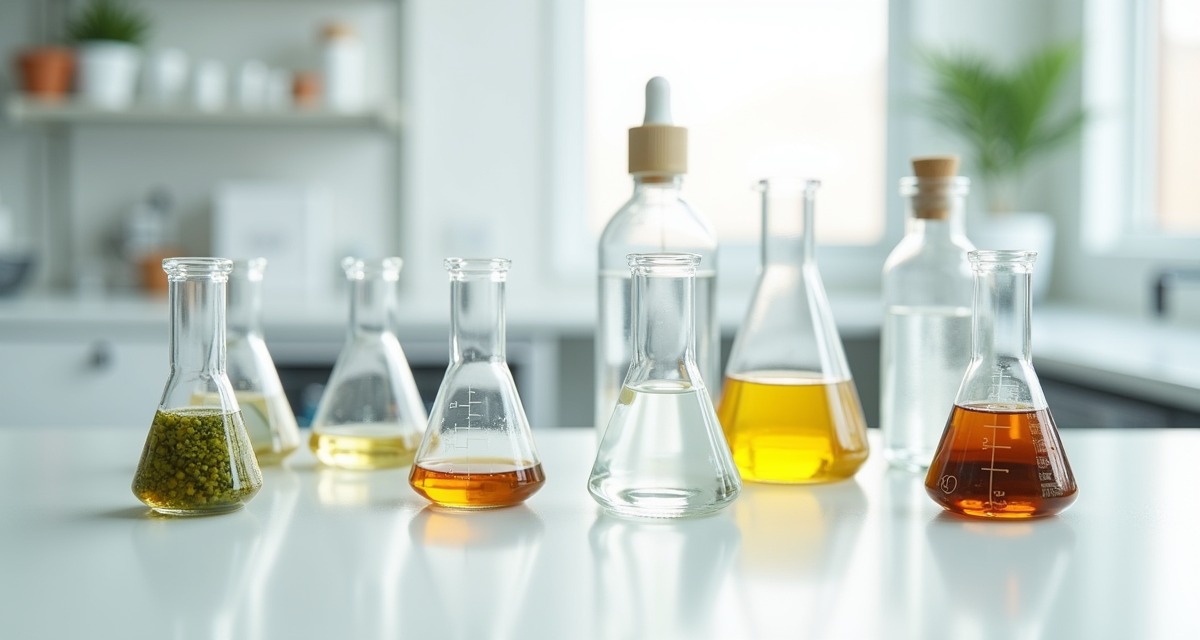
Stability Testing for Cosmetics: Requirements, Timeline, and What It Costs
📋 Executive Summary
• Why it's non-negotiable: Stability testing is mandatory for determining shelf life and ensuring product safety, preventing costly recalls and brand damage. • Data-driven approach: Testing requires understanding degradation pathways (physical, chemical, and microbiological) to predict performance over time. • Process complexity: The process involves multiple testing types (accelerated, real-time) across several critical quality attributes (CQAs). • Strategic partnership: Partnering with a sophisticated co-manufacturer like Formul8 ensures accurate protocols and transparent reporting.
Reading time: 10 min | Target audience: Intermediate
1. Understanding the Science of Stability Testing
Stability testing is the scientific process used to determine how long a cosmetic product maintains its physical, chemical, and microbiological integrity under various conditions. It is arguably the most critical step before a product can move from the lab bench to the retail shelf. If a product fails stability testing, it means its formulation is not stable enough to guarantee performance over its intended shelf life.
What Does Stability Testing Actually Test?
Stability testing doesn't just check if the product looks okay; it systematically monitors every potential point of failure. The goal is to understand the degradation pathways—the chemical, physical, and biological changes that occur over time.
Key parameters monitored include: • pH Drift: Monitoring changes in acidity/alkalinity, which affects skin compatibility and ingredient efficacy. • Viscosity Change: Assessing if the product thins or thickens unpredictably, affecting user experience and dispensing. • Color/Clarity: Tracking oxidation or precipitation that can signal ingredient breakdown. • Separation: Identifying potential phase separation (e.g., oil and water layers) that compromises uniformity.
💡 Pro Tip: Always ask your potential co-manufacturer to detail their specific analytical equipment and validated methods (e.g., using HPLC or viscometers) when discussing stability protocols.
Types of Stability Studies: Accelerated vs. Real-Time
The industry relies on two primary methods to predict shelf life: real-time and accelerated testing. Neither method is sufficient on its own, requiring a combination for a complete profile.
- Real-Time Testing (Long-Term): Samples are stored under recommended, standard storage conditions (e.g., 25°C/60% RH). This is the gold standard for determining the actual shelf life, but it is time-consuming.
- Accelerated Testing: Samples are stored under deliberately harsh, elevated conditions (e.g., 40°C/75% RH). These extreme conditions force the product to degrade faster, allowing the manufacturer to predict potential failure points in a fraction of the time.
⚠️ Warning: Never rely solely on accelerated stability data for final shelf-life claims. Accelerated data is predictive, while real-time data is definitive. A complete stability package requires both approaches to be validated.
2. The Operational Process: Timeline and Protocols
Understanding the timeline for stability testing for cosmetics requires recognizing that this is a rigorous, multi-stage scientific protocol, not a simple test. The complexity of the formulation dictates the duration and resources needed.
Establishing the Testing Protocol
The first step is the protocol design. This phase involves formulating the test matrix and identifying the Critical Quality Attributes (CQAs) that must be monitored. The manufacturer and the brand owner must agree on the testing parameters upfront.
The protocol must account for:
- Formulation Complexity: Highly complex emulsions or products with multiple active ingredients require more intensive testing.
- Packaging Interaction: The container (jar, pump, bottle) can react with the formula, necessitating stability testing of the system (product + packaging).
- Environmental Factors: Testing must simulate diverse environments (humidity, temperature fluctuations, light exposure).
The Step-by-Step Testing Workflow
The process moves methodically from initial setup to final data analysis.
- Sample Preparation: Formul8 technicians prepare multiple batches of the finished product and package it into the final consumer container.
- Incubation: Samples are placed into specialized climate-controlled chambers (incubators) simulating the required temperature and humidity cycles.
- Sampling & Analysis: At predetermined intervals (e.g., 0, 3, 6, 12 months), samples are pulled and tested in the lab for pH, viscosity, separation, and active ingredient concentration.
- Data Modeling: The accumulated data points are analyzed using scientific models (like Arrhenius equations) to calculate the predicted rate of degradation and the final shelf life.
💡 Pro Tip: When discussing timelines, always budget time for the data analysis phase. The testing itself is only half the battle; the expert interpretation of the results is what determines the shelf life.
| Testing Type | Typical Duration | Primary Goal | Data Yield | | :--- | :--- | :--- | :--- | | Real-Time (Long-Term) | 12+ Months | Definitive Shelf Life | Confirmed stability period | | Accelerated Testing | 3–6 Months | Predict Failure Points | Estimated shelf life | | Freeze/Thaw Cycle | 1–2 Weeks | Thermal Stability | Resilience to temperature shifts |
⚠️ Warning: Do not assume that because a product passes initial visual inspection, it is stable. Hidden chemical degradation (like oxidation or pH drift) can compromise efficacy and safety long before visible signs appear.
3. Cost, Budgeting, and Achieving Stability Certification
The final, and often most opaque, question is: what does stability testing for cosmetics cost? The cost is not fixed; it is a function of three major variables: complexity, duration, and the required level of regulatory compliance.
The Core Drivers of Cost
To accurately budget, you must understand the variables that drive the cost up or down. These costs reflect the specialized resources required.
- Testing Complexity: Products with sensitive ingredients (e.g., high concentrations of Vitamin C, natural extracts) require more advanced and costly analytical testing.
- Duration and Frequency: Longer testing periods (e.g., 24 months) and more frequent sampling exponentially increase the cost.
- Packaging System: Testing the product in its final, complex packaging system (e.g., a specialized pump or dropper) adds labor and equipment costs.
Maximizing Value and Minimizing Risk
Working with a sophisticated co-manufacturer is key to controlling costs without compromising quality. Formul8 integrates this process into our operational platform, ensuring transparency and efficiency.
Key Strategies for Budgeting:
- Phased Testing: Start with a limited, accelerated protocol to prove the concept and validate the initial formula. Only commit to the full, expensive real-time testing once the formula is optimized.
- Ingredient Substitution: Working with our formulation chemists to substitute unstable ingredients with more robust, stable alternatives can significantly reduce testing costs.
- Standardization: Utilizing our established protocols for common product types (creams, serums) streamlines the process and reduces custom setup fees.
✅ Checklist: Before receiving a quote, ensure you have clarity on these points:
- [ ] The intended final market temperature range (e.g., tropical vs. temperate).
- [ ] The exact packaging material and mechanism to be tested.
- [ ] The required regulatory body for the final market (e.g., FDA, EU Cosmetics Regulation).
❓ Frequently Asked Questions
Q: Do I need stability testing for every single cosmetic product I launch? A: Yes. Stability testing is a fundamental part of product safety and regulatory compliance. It is required to prove the product will remain safe and effective throughout its claimed shelf life.
Q: Can I skip stability testing and just rely on my supplier's data? A: No. While ingredient suppliers provide Certificates of Analysis (CoA), they only test the raw materials. They cannot guarantee the stability of the finished formulation or the product-packaging system once mixed.
Q: What is the difference between stability testing and preservative efficacy testing (PET)? A: PET confirms that the preservative system is effective against specific bacteria and fungi in the finished product. Stability testing confirms that the entire product (including the preservative) remains stable and functional over time.
🎯 Key Takeaways
- Stability is Predictive Science: The process moves beyond simple observation; it uses scientific models to predict performance, which is essential for risk mitigation.
- The System Matters: You are testing the entire system (Product + Packaging + Environment), not just the formula itself.
- Cost Control is Strategic: By implementing phased testing and working with experts, you can manage the budget while maintaining the highest level of quality assurance.
- Regulatory Confidence: Successful stability testing provides the crucial data needed for regulatory filings and consumer trust.
Next Steps
- Immediate action: Conduct a preliminary consultation with our formulation team to identify the most vulnerable ingredients in your concept.
- Short-term action: Develop a preliminary stability testing protocol based on your target market and intended shelf life.
- Long-term action: Build a comprehensive product development roadmap that allocates sufficient time and budget for full stability validation before manufacturing commitment.
Need Expert Help?
Our team of formulation scientists and operations experts can design a bespoke stability testing protocol tailored to your brand's specific needs and budget. Contact us today to schedule a deep-dive consultation.
Related Articles: • How to find the right cosmetics co-manufacturer and what to ask before signing • The custom cosmetics formulation process: What founders need to know • Quality standards in cosmetics manufacturing: What good looks like in 2026