
How Long Does Cosmetics Manufacturing Take: A Data-Driven Timeline
📋 Executive Summary
- Formulation & R&D (The Blueprint): This initial phase involves scientific development, stability testing, and refinement. It is often the longest and most critical step, requiring meticulous data analysis.
- Regulatory & Testing (The Validation): Before any product hits a production line, it must pass rigorous safety and stability tests (e.g., accelerated aging). This phase ensures compliance and product integrity.
- Production & Fulfillment (The Build): Once approved, the physical manufacturing process—from raw material sourcing to final packaging—is highly efficient but still requires time for quality control.
- Overall Timeline: While the physical manufacturing itself can be rapid, the total time from concept to launch is a multi-stage journey, typically measured in months, not weeks.
Reading time: 10 min | Target audience: intermediate
1. The Formulation Phase: Building the Scientific Blueprint
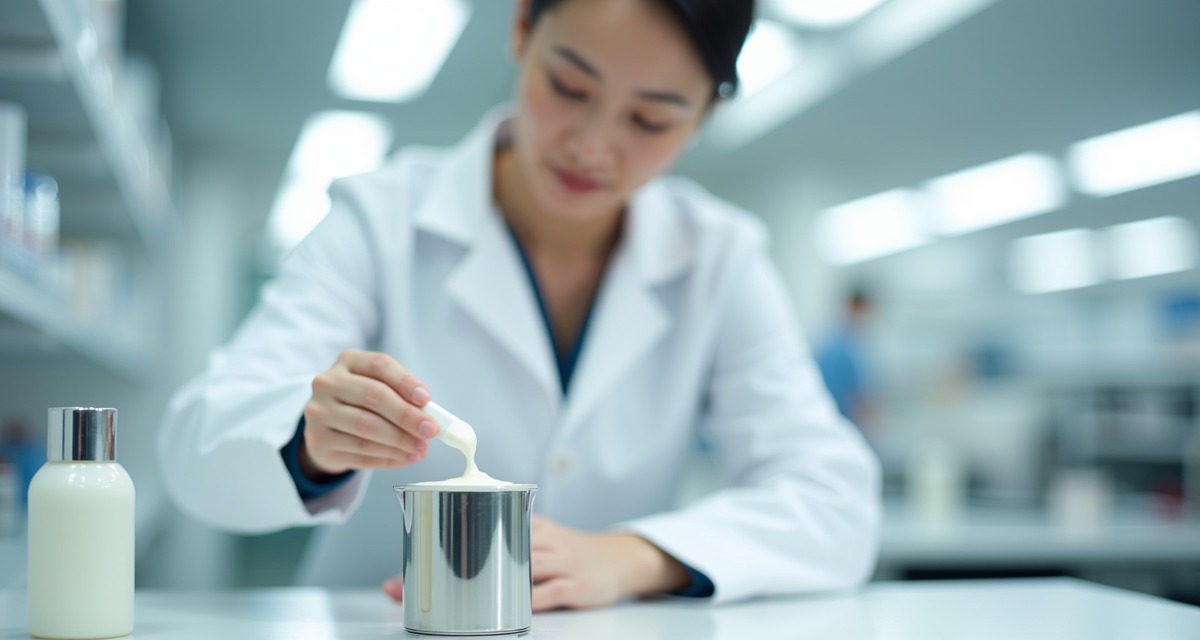
Understanding how long does cosmetics manufacturing take requires looking past the mixing process. The most time-intensive part is actually the scientific development—the formulation. This is where we move from an idea to a stable, viable chemical structure.
The Science Behind Custom Formulation
A successful cosmetic product is not just a mix of ingredients; it is a balanced chemical system. The formulation phase involves selecting ingredients, determining concentrations, and ensuring the final product will maintain integrity over time.
Key points in bullet format: • Ingredient Sourcing and Compatibility: We must verify that every proposed ingredient works harmoniously with the others. A single incompatible element can cause separation, discoloration, or instability. • Stability Testing: This is non-negotiable. We subject the formula to various conditions (temperature fluctuations, pH extremes) to predict its shelf life. This data determines if the product is viable for market. • Concept Refinement: We work iteratively with you to adjust the formula based on performance data, cost targets, and desired consumer experience. This constant feedback loop is crucial for achieving the perfect product.
💡 Pro Tip: Don't underestimate the value of a comprehensive formulation brief. Providing detailed target performance metrics (e.g., "must hold color after 6 months at 30°C") accelerates the entire process by focusing R&D efforts immediately.
Key Steps in Formulation Development
The process is systematic, following scientific protocols rather than guesswork. Our operational platform ensures that every step is documented and auditable.
- Initial Concept Meeting: Defining the product goals, target market, and functional claims.
- Formula Drafting: Our chemists draft the initial prototype formula.
- Pilot Batch Creation: A small, controlled batch is made for initial internal testing and sensory evaluation.
- Optimization & Revision: The formula is adjusted based on testing results (e.g., improving viscosity, adjusting preservative levels).
⚠️ Warning: Never skip the compatibility testing phase. Assuming ingredients will work together based on theory alone is the fastest way to create a product that fails stability testing months down the line.
2. Validation and Compliance: The Non-Negotiable Milestones
Once a formula is stable in a lab setting, it must prove its safety and consistency in a regulated environment. This validation phase is often misunderstood by new founders but is critical to both quality and timeline management.
Stability and Safety Testing Protocols
This stage moves beyond simple mixing; it involves proving the product is safe for human use and reliable over its projected lifespan. We adhere to the highest global standards, ensuring your brand meets consumer expectations and regulatory demands.
Key points in bullet format: • Microbiological Testing: Testing the finished product to ensure it is free from harmful pathogens and meets preservative efficacy standards. • Accelerated Aging: This process simulates years of use in months. By subjecting the product to extreme heat or cold, we predict its shelf life and identify potential degradation points. • Performance Claims Verification: If your product claims to be "hydrating" or "anti-aging," we help validate the formulation to support those claims scientifically.
✅ Checklist: Before moving from R&D to pilot production, confirm the following:
- [ ] Finalized ingredient sourcing and Certificates of Analysis (COAs) for all raw materials.
- [ ] Signed agreement on the final, approved formula and specifications.
- [ ] Completion of all required stability and safety testing reports.
Scaling the Process: From Lab to Pilot Batch
The transition from a small, experimental lab batch to a larger, pilot-scale batch is a major operational hurdle. We manage this scale-up meticulously to ensure the chemistry remains consistent.
- Process Mapping: We document every step—mixing speed, temperature curves, addition order—to ensure reproducibility at scale.
- Equipment Calibration: The production equipment must be calibrated for the specific viscosity and volume of the product, preventing waste and maintaining quality.
- Quality Control Sign-Off: Every pilot batch undergoes an intensive QC review, confirming that the physical characteristics (color, texture, pH) match the lab standard.
💡 Pro Tip: When planning your timeline, allocate significantly more time for validation than you think. The data gathered here prevents catastrophic failures down the line and saves months of rework.
3. Manufacturing and Fulfillment: From Batch to Brand
After the formula has passed all stability, safety, and pilot checks, the final phase is production. This is where the product moves from a scientific concept into a physical, market-ready commodity.
Operational Excellence in Production
Our state-of-the-art facilities are designed for maximum efficiency and minimal contamination risk. Our operational protocols ensure that the transition from a clean, controlled lab environment to a high-volume production floor is seamless and compliant.
Key points in bullet format: • Raw Material Handling: We utilize advanced inventory management systems to track every gram of raw material, ensuring traceability and minimizing waste. • Equipment Cleaning and Sanitation: Strict adherence to GMP (Good Manufacturing Practices) is maintained. Production lines are cleaned and sanitized between different product runs to eliminate cross-contamination risk. • Filling and Packaging: Automated, precision filling lines ensure consistent volume and weight across all SKUs. Our integrated systems manage labeling and packaging inventory in real-time.
The Role of Technology in Speeding Up Manufacturing
Modern co-manufacturing relies heavily on technology to reduce lead times and eliminate human error. Our command center dashboard provides real-time visibility into every stage of production.
| Category | Typical Metric | Benchmark Standard | | :--- | :--- | :--- | | Batch Consistency | Measured deviation (e.g., pH) | < 0.1 unit | | Traceability | Tracking time (raw material to SKU) | Instantaneous (digital ledger) | | Quality Control | Failed batch rate | < 0.5% |
Key insight: The goal of operational technology is not just speed, but repeatable speed. By digitizing the process, we ensure that the time taken today is the same time taken next year, regardless of volume changes.
Finalizing the Product Line
The last steps involve packaging, quality inspection, and preparing the goods for shipment. This final checkpoint ensures that the product received by the client is identical to the product approved in the lab.
⚠️ Warning: Do not assume that because you have a finished formula, you are finished with the process. The final steps—labeling, regulatory documentation, and packaging design—are equally critical and require dedicated time and review.
❓ Frequently Asked Questions
Q: Can I skip the stability testing phase to save time? A: Absolutely not. Skipping stability testing is a massive operational risk. It drastically increases the chance of product failure, leading to recalls, lost inventory, and severe brand damage.
Q: If I want to change my formula later, does it restart the entire timeline? A: A minor adjustment might not restart the entire timeline, but any significant change (e.g., changing a primary surfactant or preservative) will require re-running stability tests, which resets the clock on that specific component.
Q: What is the difference between private label and white label in terms of timeline? A: The operational timeline is similar, but private label often involves more complex formulation development and unique branding requirements, which can add time to the initial R&D phase.
🎯 Key Takeaways
- Time is not linear: The overall time for cosmetics manufacturing is determined by the most complex phase (usually R&D/Validation), not the physical mixing time.
- Data is your biggest asset: A data-driven approach, utilizing advanced QC and operational platforms, minimizes guesswork and maximizes predictability.
- Patience is profitable: The initial investment of time in rigorous testing and compliance pays dividends by ensuring a reliable, high-quality product launch.
- Collaboration is key: A strong partnership with a co-manufacturer is necessary to navigate the technical hurdles of formulation science and regulatory compliance.
Next Steps
- Immediate action: Draft a detailed, ambitious product brief outlining desired performance metrics and target consumer pain points.
- Short-term action: Schedule a technical consultation to discuss your initial ingredient ideas and assess potential formulation challenges.
- Long-term action: Develop a phased product roadmap, planning for one or two core launches first, rather than attempting a massive, multi-SKU launch immediately.
Need Expert Help?
Ready to turn your vision into a stable, market-ready product? Contact the Formul8 Cosmetics team today to schedule a consultation and begin building your data-driven product line.
Related Articles: • The custom cosmetics formulation process: What founders need to know • Operational excellence in beauty manufacturing: A tech deep dive • How to find the right cosmetics co-manufacturer and what to ask